
The Real Cost of Keeping Vans On The Road

The Real Cost of Keeping Vans On The Road

The Real Cost of Keeping Vans On The Road

New Report Highlights Common Van Repair Issues 

When you run vans for your business, you may already be well awarek that repairs aren’t getting any cheaper.

A new report from Warranty Solutions Group (WSG), based on more than 1,000 light commercial vehicle warranty claims, puts some hard numbers behind what many operators are already feeling.

The findings show that engine, emissions and electrical faults are now the biggest causes of costly repairs and downtime.

And in many cases, repair bills are pushing right up to, or beyond, typical warranty limits.

Where the money is really going

The most expensive claims analysed by WSG regularly ran into the thousands.

The single highest claim topped £6,000 on a Mercedes Sprinter, with other high-value repairs linked to well-known brands including Ford, Volkswagen, Peugeot and Nissan.

Engines, turbochargers, DPFs and electronic control units featured time and again, and aren’t quick fixes – they often take vehicles off the road for days rather than hours.

What’s particularly telling is the age of the vehicles involved.

Vans between four and nine years old appeared most often in the data, highlighting the financial risk once manufacturer warranties have ended and vehicles are kept in service longer.

Downtime hurts more than the bill

While the repair cost is painful, downtime is often the bigger issue.

Every day a van is off the road means missed jobs, rearranged schedules or the cost of hiring a replacement.

For small fleets running lean, there’s often very little slack.

WSG says the problem is being made worse by the growing complexity of modern vehicles.

While engines themselves are generally reliable, emissions systems and onboard electronics are becoming a major weak point.

Software faults, sensor failures and warning lights now account for a growing share of both cost and disruption.

It’s not always the big failures

Interestingly, it’s not just the headline-grabbing repairs that hurt. Diesel injectors and alternators together made up more than 8% of all claims, with average repair costs of several hundred pounds each.

Batteries and emissions components like NOx sensors and AdBlue injectors also appeared frequently.

On their own, these faults may seem manageable.

But over time, repeated “smaller” repairs quietly chip away at margins and cashflow.

What businesses should take from this

The key message is simple: running older vans carries increasing financial risk, even if they’ve been well maintained.

As vehicles age, repairs become more frequent, more complex and more expensive.

For small businesses, this makes forward planning more important than ever.

Understanding warranty cover, budgeting realistically for repairs, and knowing when a vehicle is becoming a liability rather than an asset can make a big difference.

At Cheshire Fleet Solutions, we can help businesses look at the full picture – not just the monthly cost of a van, but the long-term risk, downtime exposure and replacement timing.

If your vans are edging out of manufacturer warranty or you’re seeing repair bills creep up, it may be time for a conversation.

Sometimes the most cost-effective decision isn’t another repair – it’s a smarter replacement plan. If you would like a free audit of your current vehicle options, please feel free to drop us a line.

Are you looking for advice relating to this article?

5 + 11 =

Why 2026 Could Be a Challenging Year for Vehicle Availability

Why 2026 Could Be a Challenging Year for Vehicle Availability

Why 2026 Could Be a Challenging Year for Vehicle Availability

Numerous Issues Cause Commercial Vehicle Production Slowdown.

If you’re planning to replace or add vehicles this year, one thing is becoming increasingly clear: stock could be tighter than many businesses expect.

New figures from the Society of Motor Manufacturers and Traders (SMMT) show that UK vehicle production fell by more than 15% in 2025, making it one of the toughest years the industry has faced in some time.

Commercial vehicle production was hit particularly hard, dropping by more than 60%.

That slowdown wasn’t caused by one single issue.

A mix of factory restructures, plant closures, supply disruption, cyber incidents and wider industry changes all played a part.

The shift towards electric vehicles has also meant manufacturers are juggling new model launches alongside winding down older production lines.

What This Means for Stock in 2026

While there’s optimism that production will recover later this year, the reality for buyers is that supply doesn’t bounce back overnight.

Lower production last year means:

  • Fewer vehicles feeding into dealer and broker stock this year
  • Less choice in popular specifications
  • Reduced discounting and fewer strong offers
  • Longer lead times on factory orders

For vans in particular, availability is likely to remain patchy. Some models and engine types may be easy to source, while others could involve long waits or compromises on specification.

This is especially important for businesses that rely on vehicles day in, day out.

Waiting until a van is overdue for replacement before starting the process could mean being forced into whatever happens to be available at the time.

Electric Vehicles Buck the Trend, But Planning Is Still Key

One bright spot in the production figures is electric vehicles. EV manufacturing actually increased last year, and a number of new electric models are due to enter production during 2026.

That’s good news in the long term, but in the short term it still means competition for the best stock.

Early adopters and well-prepared businesses are more likely to secure the most suitable vehicles, while late movers may face limited options or longer waits.

Why Acting Early Matters

For small and medium-sized businesses, timing can make a big difference. Planning vehicle replacements early gives you:

  • More choice on model and specification
  • Better access to competitive pricing
  • Time to consider electric or alternative options properly
  • Fewer surprises when contracts end

It also avoids the risk of running vehicles longer than planned, which can increase maintenance costs and downtime.

How Cheshire Fleet Solutions Can Help

At Cheshire Fleet Solutions, we’re already working with customers to plan ahead for 2026. By looking at renewal dates early and keeping a close eye on stock pipelines, we can help secure the right vehicles before availability tightens further.

Whether you’re replacing one van or reviewing a small fleet, starting the conversation now puts you in a far stronger position later in the year.

If you know you’ll need vehicles in the next 6 to 12 months, now is the time to act.
Get in touch and let us help you stay ahead of the stock squeeze, rather than reacting to it.

Are you looking for advice relating to this article?

7 + 8 =

Good News At Last For EV Charging Costs

Good News At Last For EV Charging Costs

Good News At Last For EV Charging Costs

Could these latest AA figures encourage more businesses to switch to EV?

If you’ve been watching EV charging prices and wondering whether they’re ever going to head in the right direction, there’s some encouraging news to start the year.

New figures from the AA show that off-peak ultra-rapid charging costs have fallen by around 10%. In simple terms, that means charging at quieter times is now cheaper than it was just a few months ago – and in some cases, it’s as affordable as slower charging options.

For businesses running electric cars or vans, or those thinking about making the switch, this is an important development.

Why timing now matters more than speed

Ultra-rapid chargers are the fastest chargers you’ll find on the public network.

They’re usually associated with higher costs, but that’s starting to change.

According to the AA, off-peak ultra-rapid charging now averages around 45p per kWh, meaning a driver can add around 80% battery for less than £20 if they charge at quieter times.

That’s a big shift, especially for drivers covering higher mileage.

The key takeaway? When you charge is becoming just as important as where you charge.

Businesses that can plan charging around off-peak hours – overnight, early mornings or quieter periods – are starting to see real savings.

How does this compare to petrol and diesel?

Fuel prices dipped slightly over the same period, but even with that, EVs still hold a clear cost advantage in many cases.

The AA estimates that charging at home costs around half as much per mile as petrol.

Even public charging, when done off-peak, is now cheaper per mile than filling up at the pump – including on the fastest chargers.

That’s good news for businesses worried that public charging might wipe out the savings of going electric.

Not all charging is getting cheaper

It’s worth saying that flat-rate charging hasn’t followed the same pattern.

Across the board, flat-rate prices have crept up over time.

This reinforces the idea that choosing the right tariff and charging method matters more than ever.

Providers offering peak and off-peak pricing are currently delivering the best value, while one-size-fits-all pricing is becoming less competitive.

What should businesses take from this?

The main message is simple:

  • EV charging costs aren’t moving in just one direction

  • Smart charging choices can make a real difference

  • Public charging doesn’t have to mean high costs

  • Planning beats panic

For businesses with electric vehicles, this is another sign that EV running costs are becoming more predictable and manageable, especially with the right advice and setup.

And for those still on the fence, falling off-peak costs help remove one more concern about switching.

What Next?

EV charging is evolving quickly.

Prices are changing, tariffs are improving, and opportunities to save are opening up — but only if you know where to look.

At Cheshire Fleet Solutions, we help businesses understand the real-world costs of running electric vehicles, not just the headlines.

Whether you’re already electric or just starting to explore your options, we’re here to help you make sense of it all and keep costs under control.

Are you looking for advice relating to this article?

4 + 9 =

Myth-busting : Working With A Vehicle Broker

Myth-busting : Working With A Vehicle Broker

Myth-busting : Working With A Vehicle Broker

With Over 30 Years’ Experience in the Motor Trade, We’re Here To Make Your Life Easier – and Save You a Bob or Two…

Hi folks – Matt here. 

So that’s right, I have been working for over 30 years in the motor trade – 26 of those as a broker – and in that time I’ve seen just about every side of the industry.

One things I do know is that there’s still a common belief out there is that using a vehicle broker inevitably pushes the price up.

I’ve lost count the number of times I’ve heard this over the years.

But what’s also become clear to me over the years, is that the secret of success for being a good broker isn’t about adding a middleman. It’s much more than that.

The Secret of Being a Great Broker.

It’s about removing barriers, simplifying the process, and using the right relationships to get clients the best possible outcome.

Because we’re independent, we’re not tied to any one manufacturer or dealership.

That means we can shop around the whole market, using a wide network of contacts built over decades.

And thanks to the favourable terms we have access to, we can more often than not beat the deals you’ll see advertised by main dealers – partly because we haven’t got the same overheads to worry about.

But it’s not just about the price.

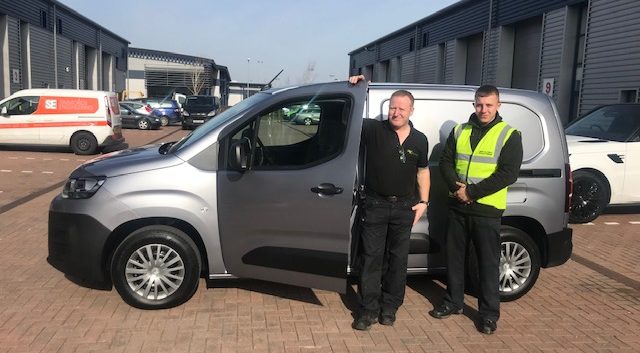
Bird & Pest Solutions Testimonial

One of our regular, loyal clients – Bird & Pest Solutions 

Saving You Time & Hassle

What really makes the difference to our clients isn’t just getting great deals on their vehicles – is the level of service.

At Cheshire Fleet Solutions, we don’t just find you the right vehicle – we take on the legwork, the chasing and the stress that comes with sourcing and managing your business vehicles.

How much is that time worth to your business?

From sourcing vehicles, to helping you sort maintenance, servicing and compliance, we help make sure your vehicles stay on the road and your business keeps running smoothly.

Our clients value that personal touch.

You’re not passed from department to department or left waiting on hold.

You deal directly with someone who knows your business, your vehicles and your priorities.

The Proof Of The Pudding is in the Eating. 

If you haven’t worked with a broker before, the only way you’ll find out how valuable a service it is for your business is if you try it.

So, all I would ask is one thing.

The next time you’re looking to renew or add to your fleet, simply give me a call and see how I do.

At the very worst, if I can’t beat what you’ve already found, you’ll have peace of mind knowing you’ve got the best deal available.

But if I can – and in most cases, I do – you’ll save not only money, but time, and a fair bit of hassle as well.

After all, can you really be sure you’re getting the best deal unless you’ve asked?

Are you looking for advice relating to this article?

14 + 8 =

Report into The Reasons For At-Work Drivers Speeding Offences

Report into The Reasons For At-Work Drivers Speeding Offences

Report into The Reasons For At-Work Drivers Speeding Offences

Why At-Work Drivers Are Caught Speeding – And Why the Results Might Surprise You.

A new survey by RED Corporate Driver Training has revealed the most common reasons why at-work drivers end up speeding – but the reasons might not be as straight-forward as you think.

According to RED’s head of corporate, Greg Ford, the main issue isn’t deliberate rule-breaking – or even a disregard for the laws. It’s confusion.

Ford explained;

“In most cases, drivers are speeding on a regular basis simply because they don’t know the limit, haven’t understood how fast they should be going, or don’t know the limit for their particular vehicle,”

That lack of awareness is showing up in the numbers.

Research from Co-Op Insurance found that speeding penalties rose by 12% last year, with almost 10 million points issued to UK drivers.

For anyone driving as part of their job, the risks are huge – not just fines and points, but the potential loss of a licence, employment and income.

In severe cases, it can even bring prosecution to the employers.

Reasons for speeding offences identified in report

So, what’s going wrong?

Driver trainers say it often comes down to a mix of distraction, misunderstanding and poor vehicle knowledge.

Many people simply aren’t sure what speed applies to the road they’re on, or they drift over the limit because their attention slips.

Others don’t realise that some vans and pickups have lower limits than cars – for example, if the unladen weight is over 2,040kg, the maximum is 50mph on a single carriageway and 60mph on a dual.

It’s easy to see how these mistakes happen, especially for drivers switching between vehicles.

Variable speed limits on smart motorways are another common trap.

Many drivers miss a change in signage or assume the limit has gone back up when it hasn’t.

Even with modern tech like speed limiters and cruise control, plenty of drivers either don’t use them or don’t understand how they can help.

It’s not until they’ve had some hands-on coaching of how to use of such features that usage then tends to rise, and speeding drops noticeably.

Encouragingly, cases of deliberate speeding are now less common.

The increase in cameras and roadside enforcement has made most people think twice.

The bigger problem, Ford says, is the number of drivers who are genuinely shocked to learn they’ve been speeding without realising it.

RED believes regular driver education and simple reminders can make a real difference – improving safety, cutting costs and protecting livelihoods.

And for businesses, that can be time and money well spent…

Are you looking for advice relating to this article?

10 + 5 =

EV Drivers Potentially Targeted in November Budget

EV Drivers Potentially Targeted in November Budget

EV Drivers Potentially Targeted in November Budget

Could a New EV Surcharge Stall the Switch to Electric for Businesses?

The Chancellor, Rachel Reeves, is reportedly considering new ways to raise revenue from electric vehicle (EV) drivers in the next Budget – in a move that could reshape the economics of running an electric fleet.

Treasury officials are understood to be weighing up several options, including a weight-based levy or a pay-per-mile system for EVs.

The proposal would apply to the 1.3 million electric car and van drivers currently on the road, as the Treasury looks to ensure “all drivers pay their fair share” toward maintaining the UK’s transport network.

The debate comes as the Government faces a £30 billion shortfall, with both tax rises and spending cuts said to be on the table.

While no final decision has been made, the idea of introducing new costs for EV drivers is already stirring concern among motorists, businesses, and industry groups.

The issue of “fair share”

At the heart of the argument is fairness.

Currently, EV drivers of course avoid paying fuel duty, a charge that contributes roughly £480 per year for the average petrol or diesel motorist.

That revenue helps fund public services, including road repairs, hospitals, and schools.

Since April, electric vehicles have been subject to Vehicle Excise Duty (VED) – around £195 per year for a standard model – but this still leaves a significant gap compared with the tax collected from internal combustion engine (ICE) vehicles.

From the Treasury’s perspective, it’s a fiscal imbalance that will only grow as more drivers go electric.

However, for businesses that have already invested heavily in low-emission vehicles, the prospect of new charges could feel like a step backwards.

The impact on smaller fleets and SMEs

For large national fleets, any new EV levy will be a frustration – but one they may be able to absorb. For smaller fleets and SME operators, the effect could be more severe.

Many small businesses have only recently started to explore electrification.

They’ve done so on the promise of lower running costs, reduced maintenance, and incentives designed to offset higher purchase prices.

Introducing a new surcharge risks undermining that confidence at exactly the moment the Government needs smaller firms to follow larger fleets in making the switch.

For tradespeople, delivery services, and regional operators, every pound counts.

The economics of electric vehicles are finely balanced, and even modest new charges could tip the scales – delaying adoption plans or pushing businesses back toward diesel.

will the budget see cost implications for EV drivers

Balancing budgets and behaviour

Few dispute the need for the Treasury to plug its financial gap.

Fuel duty has been frozen for fifteen years, and revenues are falling sharply as electric vehicles replace traditional engines.

With the public finances under strain, it’s understandable that the Chancellor is looking for sustainable long-term solutions.

But from a fleet management and brokerage perspective, the way this policy is introduced matters as much as the principle behind it.

If new EV taxes arrive too soon or hit smaller operators hardest, they risk slowing the market just as electric van and car sales are gaining real momentum.

Recent registration data shows electric van sales up by more than 40% year-on-year, and electric cars continue to take a growing share of new registrations.

For many fleet operators, the transition to electric vehicles is now moving from pilot stage to full rollout. A sudden policy shift could stall that progress.

A smarter approach

A fairer solution might lie in gradual reform.

A distance-based road pricing system, for example, could apply equally to all vehicles, regardless of fuel type.

This would ensure road users contribute fairly while maintaining the financial advantages of going electric – crucial for encouraging adoption across SMEs.

Another option could be tiered taxation based on mileage, emissions, or vehicle weight, reflecting genuine road use rather than penalising businesses investing in cleaner transport.

considerations for balancing fairness without disinsentivising EV drivers

Why this matters for business confidence

The EV transition isn’t just an environmental issue; it’s an economic one.

Businesses need certainty to plan fleet investments, financing, and charging infrastructure.

Constant changes to incentives or taxation risk undermining that confidence and discouraging the very investment needed to meet the UK’s net-zero goals.

As a fleet management and brokerage partner, we’re already seeing some smaller firms hesitate – not because they don’t believe in electric – but because they fear shifting goalposts.

Businesses want clarity.

They want to know the rules won’t change halfway through a lease term.

Navigating the transition to EV

It is certain that Rachel Reeves faces difficult choices in the up-coming Budget.

Raising revenue without slowing the transition to cleaner transport will require careful balance. Ensuring EV drivers contribute fairly is reasonable, but timing and design will be critical.

If one of the core benefits of switching – lower running costs – disappears too quickly, it risks sending the wrong message to the very businesses the Government needs on side.

Encouraging electric adoption and maintaining public revenues don’t have to be mutually exclusive.

But getting the balance right will be essential if the UK’s move to zero-emission transport is to stay on track.

We will be keeping an eye on the budget and ready to react to whatever news it brings. If you have any questions or concerns in relation to the implications the budget may have on your fleet – please don’t hesitate to drop me a line.

Are you looking for advice relating to this article?

7 + 2 =