Regular Vehicle Checks – The Importance of Doing Them And Keeping Records

Regular Vehicle Checks – The Importance of Doing Them And Keeping Records

Regular Vehicle Checks – The Importance of Doing Them And Keeping Records

The Importance of Regular Vehicle Checks, The Consequences of Not Doing – and Record-Keeping.

There’s a big push at the moment to remind fleet managers and business owners that daily walkaround checks are not just another box to tick.

For some businesses (e.g. who run HGV or public service vehicle fleets) it is a legal requirement.

However, for businesses who simply run vans or cars as part of their day-to-day business – the regular checking of a vehicle can often be left to slide.

Now, I’m not one who likes to tell people how to suck eggs – and I’m sure this edition of the newsletter is merely preaching to converted.

But.

Ensuring a vehicle is roadworthy is a legal requirement – and should an accident occur – what do you currently have in place that proves your business was keeping on top of regularly checking the vehicle was roadworthy?

The Checks

The basic checklist is simple and self-explanatory.

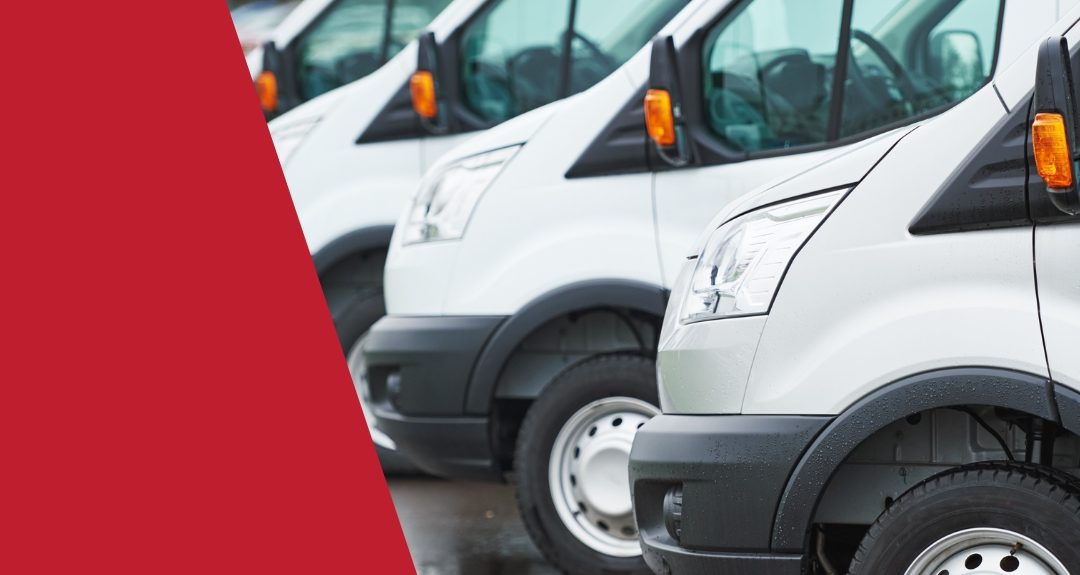
Lights, tyres, brakes, mirrors, and load security all need a careful look.

The important thing is that the check is done the same way every time – and just as importantly, documented – so nothing is missed.

  •  
Daily inspections for vehicles

The Consequences

The reality is, the consequences of getting it wrong are tough.

Not only do companies face the consequences, but individuals within the company can face consequences too under the Health & Safety at Work Act as well as in fatal accidents, corporate manslaughter (against the company) and gross negligence manslaughter (against individuals).

Even on a lesser scale, consequences can be fines, delays, and the damage to your reputation if a defect leads to an accident, and the risks are clear.

It’s also worth bearing in mind, even if you just have two vehicles in your company “fleet” – you have a legal responsibility to anyone who uses your vehicles.

Keeping Records

Spotting faults is only half the job. Defects need to be written down and passed on properly.

Whilst you can use paper forms – more and more businesses are switching to digital apps – as these significantly improve the process of keeping accurate records – with them easy to use, creating a clear audit trail.

Operators must have solid systems in place to make sure defects are repaired fast, dangerous vehicles are kept off the road, and paperwork is up to date.

Whilst the apps do make things easier to record, they don’t replace the vehicle walkaround itself.

And if you run vehicles for your business, it is important you complete these checks and record them appropriately – to minimise your risk.

If you are looking to move onto a digital app, we have partners who can help provide a wide range of excellent, simple-to-use solutions that will ensure you are compliantPlease don’t hesitate to get in touch using the details below.

Are you looking for advice relating to this article?

11 + 13 =

How will the influx of Chinese-manufactured vans influence the UK van market?

How will the influx of Chinese-manufactured vans influence the UK van market?

How will the influx of Chinese-manufactured vans influence the UK van market?

With Chinese-manufacturers increasing van production, what are the considerations for business owners and fleet managers here in the UK?

You may – or may not – have noticed, but there’s a new chapter unfolding in the UK van market, and it’s one many commentators are saying you should keep an eye on.

As with the car market, Chinese-manufactured vans are now beginning to make their way onto our roads, and they could bring both opportunities and challenges for small business owners and fleet managers alike.

So, what’s the story?

Chinese manufacturers have been ramping up production for years, and now they’re turning their attention to Europe.

As with when the Japense car market started to really take off in the UK in the late 70’s/early 80’s, cars like the Datsun (Nissan) Cherry and Toyota Corolla were seen as cheap alternatives to those available – but there was always some sceptism about the potential issues like build-quality and availability of parts – as well as consumer loyalty (or familiarity) to well-established brands.

With this growing new van marktet, again with competitive pricing and increasingly modern designs, these vans are arriving at a time when many businesses are feeling the pinch from rising costs and looking for affordable alternatives.

So what are the main considerations for Chinese-manufactured vans for business owners in the UK?

Potential benefits:

  • Lower upfront costs – Expect attractive price tags that may appeal to smaller fleets and owner-drivers.
  • Electric options – Many Chinese brands are pushing ahead with EV technology, which could be a boost for businesses exploring greener alternatives.

  • Fresh competition – More choice in the market could encourage established brands to sharpen their own offers.

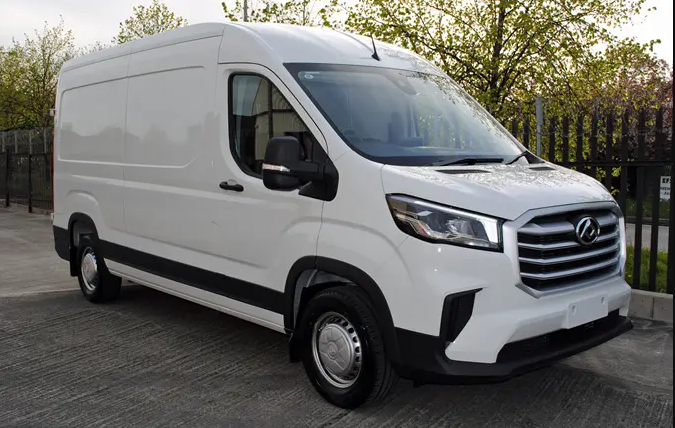
Maxus - one of the main Chinese Van Manufacturers growing it's market in the UK

Points to consider:

  • Quality and durability – While improving rapidly, questions remain about how these vans will hold up under the demands of UK businesses.

  • Parts and servicing – Will replacement parts be readily available and affordable? A crucial factor in keeping downtime and maintenance costs to a minimum.

  • Resale values – With any new entrant, it can take time before second-hand values stabilise, which may affect long-term costs.

What this means for you?

If you’re running a small fleet or your van is the heartbeat of your business, the arrival of Chinese brands could potentially open new doors, but it’s worth balancing the short-term savings against potential long-term risks.

As always, the key will be matching the right vehicle to the unique demands of your business.

We’ll continue keeping an eye on this fast-changing part of the market and bring you updates as things evolve.

If you would like to find out more about the availability and suitability of Chinese-manufactured vans, please don’t hesitate to get in touch using the details below.

Are you looking for advice relating to this article?

2 + 9 =

New Aston Martin “Volante Vision” Aims to Bring Luxury Personal Air Mobility

New Aston Martin “Volante Vision” Aims to Bring Luxury Personal Air Mobility

Nearly all the old Sci-fi movies saw flying cars as an absolute shoe-in by now. Despite this, reality has always to seemed to ensure that flying cars cannot be made remotely practical.

Recently the new Aston Martin “Volante Vision” concept emerged – which is actually a light aircraft rather than a “flying car” – and despite some pretty nifty realistic looking images – it is still hard to see past it being nothing more than something for James Bond movie – or a one-off play-thing for some bored multi-multi-Billionaire rather than “the future of personal transport”.

How realistic is it?

But… Aston Martin are taking it seriously. They have worked with Cranfield University, Cranfield Aerospace Solutions and Rolls-Royce plc (the air engine company, not the car-making division) to look at a way of making this the future of “luxury personal air mobility”.

It is a concept designed for every-day use. For urban areas it features vertical take-off and landing (VTOL) capabilities,similar to a Hawker Harrier “jump” jet – technology that has actually been around since the 1960’s.

In true Aston Martin fashion – it’s green too, albeit in the sense that it is conceived with hybrid power, combining an internal combustion engine and an electric motor, for inter-city rather than inter-continental travel.

Will It Take Off? (Pardon The Pun!)

This isn’t the first concept like this – and it won’t be the last. Getting the technology right so that it is practical (and affordable) are the main obstacles to overcome. However – you think about any piece of technology and the same could be said of those – from personal computers and video players to the Electric Car – and we’re still only part of the way there with that with what can be achieved!

So in our opinion, we think it’s inevitable something like the Aston Martin Volante Vision will become a reality – and possibly for the mainstream. With the names getting involved in this project, you would also have to say it is probably only a couple of decades away too. 

Do you think this is the future – or is it just a fantasy pipeline best left to James Bond movies? Leave your comments below.


Is Your Vehicle Exempt From The Upcoming Manchester Clean Air Zone Charge?

Is Your Vehicle Exempt From The Upcoming Manchester Clean Air Zone Charge?

What Is The GM Clean Air Zone?

Most major cities up and down the UK are looking ways of becoming greener and cutting emissions. Manchester is one of them. 

This means if you, or your company are making regular visits in to the upcoming Clean Air Zone you could be liable to a daily charge which is currently touted as; 

  • Buses, coaches and HGVs – £100 (from 2021)
  • Taxis and private hire vehicles – £7.50 (from 2021)
  • Vans and minibuses – £7.50 (from 2023)

If the daily penalty is not paid, a PCN payment of £120 is proposed which would be in addition to the original daily penalty.

This could obviously have a significant impact on a small business – particularly if you have a few vehicles regularly travelling into the zone.

How To Find Out If Your Vehicles Are Compliant

We have found a tool where you can quickly establish if your vehicle is compliant or not. If you click on the button below you will be taken to the vehicle checker section of the Clean Air Greater Manchester website. 

If you find out your vehicles AREN’T compliant, then if you come back to us, fill in the form below and we will contact you to advise what your options are.

If your vehicles are liable for the charge, fill in the form below...

How we use your data

6 + 14 =

ISA Speed Limiter Amongst Vehicle Safety Features Set To Become Standard

ISA Speed Limiter Amongst Vehicle Safety Features Set To Become Standard

Speed Limiter & Automated Breaking To Become Standard Features.

Cars, vans, lorries and buses being sold fitted with a range of new vehicle safety features as standard, took a step closer this week after a provisional EU deal was reached in Strasbourg – with a view to bring the changes in from 2022. 

The new technologies to be fitted as standard under the new rules include; Automated Emergency Braking (AEB) and overridable Intelligent Speed Assistance (ISA),

More About The Standard-fit Technologies Being Proposed

ISA uses a combination of GPS data to locate the vehicle and the known current road speed limit to keep the drive within the speed limit. Although how this works in temporary speed limits could be of interest!

Using the Transport for London’s Direct Vision Standard as a guide, new lorries will also be required to have improved levels of ‘direct vision’, giving drivers a greater chance of seeing vulnerable road users such as pedestrians and cyclists around the vehicle.

The new rules also aim to tackle drink driving by making it easier to retrofit an alcohol interlock device – using technological solution for tackling repeat drink driving that is already in use in a number of EU Member States.

New vehicles will also be required to be fitted with Electronic Data Recorders. These will help identify conditions of the vehicle before a collision. Such information is vital to understanding why crashes occur and for preventing future collisions – and you would have to assume will be helpful to insurers in determining fault and resolving claims quicker.

How will the “b”-word affect this?

Britain is expected to follow the same rules, irrespective of Brexit.

As part of the process, researchers from TRL – the UK-based Transport Research Laboratory – conducted a cost-benefit evaluation the next generation of vehicle safety standards.

Richard Cuerden, head of TRL’s Academy, said:

 “The advanced safety measures for new vehicles will provide state of the art protection to all road users.

“Intelligent Speed Assistance and Drowsiness and Distraction Recognition will support drivers in their ongoing tasks. Autonomous Emergency Braking and Emergency Lane Keeping will intervene in the most critical situations to avoid a crash, and improved crash tests will ensure that injuries of occupants as well as pedestrians and cyclists are minimised in the remaining collisions.”

Negotiators from the European Parliament and European Commission agreed with representatives of EU Member State governments earlier this week on the final shape of the regulations first announced by the European Commission in May last year.

However, the negotiated deal is provisional and still subject to formal votes in the European Parliament and by EU Member States. Due to European Parliamentary elections in May – and so this could take a few more months. 

Commenting on the provisional deal, Antonio Avenoso, executive director of the European Transport Safety Council (ETSC), said:

“There have only been a handful of moments in the last fifty years which could be described as big leaps forward for road safety in Europe. The mandatory introduction of the seat belt was one, and the first EU minimum crash safety standards, agreed in 1998 was another. If yesterday’s agreement is given the formal green light in September, it will represent another of those moments, preventing 25,000 deaths within 15 years of coming into force.”

“Although this legislation was many years in the planning stages, there has been relatively little time for political discussions over its final shape.

“We would like to pay tribute to the MEPs and representatives of the Commission and Member States that have worked tirelessly to get a deal done before the big changeover at the European Parliament and European Commission this summer. In particular the Romanian EU presidency, European Commissioners Elżbieta Bieńkowska and Violeta Bulc, and the Polish MEP Róża Thun deserve recognition for their commitment to seeing this legislation through.

Bieńkowska, responsible for Internal Market, Industry, Entrepreneurship and SMEs at the EC, also believes that the new vehicle safety legislation will have the same kind of impact as when the safety belts were first introduced.

She concluded:

“Many of the new features already exist, in particular in high-end vehicles. Now we raise the safety level across the board, and pave the way for connected and automated mobility of the future.”

Neil Greig, IAM RoadSmart director of policy and research, added: “It should be remembered that excessive speeding is a factor in 14% of fatal crashes whereas human error is present in 64%. Speed limiters have a role to play but on their own cannot eliminate all crashes.

“Advanced drivers don’t need to be reminded electronically what the speed limit is, but for others it could be a real life-saver, and help people not lose their driving licences at the same time.

“ISA as proposed for all new cars after 2022 will be overrideable so it is not the ‘big brother’ solution that some sources suggest.

“IAM RoadSmart believe the EU package of measures is important for road safety. Drivers and fleets can lead the way by specifying options such as autonomous braking tomorrow.”

What are your thoughts on these rules? Can you foresee any issues? Let us know your thoughts on these rule changes in the comments below.

Standard Van Security Not Deterring Van Theft

Standard Van Security Not Deterring Van Theft

Tracker Say Number of Stolen Vans Without Keys Has Increased. 

Of the stolen vans that were then recovered by Tracker in 2018, the vast majority (89%) were taken without the owner’s keys. This is up from 82% the previous year.

Perhaps rather more tellingly is that the hugely popular Ford Transit was the most stolen and recovered van, whilst the Mercedes-Benz Sprinter weren’t far behind. Although it is worth noting here, that these figures could be somewhat flooded by the sheer numbers of them on the road of course. 

Still, the trend is worrying and Clive Wain, head of police liaison at Tracker said –

“In 2018, our analysis shows that nearly half a million pounds worth of vans were stolen and recovered by Tracker,” 

“Keyless entry technology is becoming the norm in the LCV market, but thieves are constantly finding new ways to exploit weaknesses in modern security systems, which is leading to a rise in van thefts.”

The Need For Added Security

So if the factory standard security measures are not enough, what else can be done? Well, Tracker recommends using additional deadlocks and steel-clad locks, as standard locks are easy for thieves to pick. Slam locks ensure a door locks every time it’s closed – ideal for quick stops, it said.

Tracker also suggests that fleet operators should reinforce doors to stop thieves prising open sliding doors by adding an extra lock at the top or reinforcing the top of the doors.

Furthermore, fleets could add extra alarms to vans and use immobilisers, make sure tools are removed from vans overnight and install a tracking device to help police recover a stolen van and close the net on thieves, it says.

Wain made some very valid points when he added;

“SMEs need to think about protecting their vans because that ultimately protects their bottom line. Don’t just rely on the security technology that comes as standard with a new van, take additional steps to deter criminals from stealing your livelihood.  

“Although installing a tracking device won’t stop a van being stolen, it does significantly increase the chances of police locating and recovering it, minimising the impact of theft on a business.”

Over £534 million worth of stolen vehicles has been recovered by Tracker working with the police and continues to recover on average £1 million worth of stolen vehicles each month.

Regardless of the size of your business, having your vehicles stolen will have a huge impact on your business meeting it’s demands. If you would like a free review of your fleets security set-up then please don’t hesitate to get in touch.