

The Real Cost of Keeping Vans On The Road

The Real Cost of Keeping Vans On The Road

The Real Cost of Keeping Vans On The Road

New Report Highlights Common Van Repair Issues 

When you run vans for your business, you may already be well awarek that repairs aren’t getting any cheaper.

A new report from Warranty Solutions Group (WSG), based on more than 1,000 light commercial vehicle warranty claims, puts some hard numbers behind what many operators are already feeling.

The findings show that engine, emissions and electrical faults are now the biggest causes of costly repairs and downtime.

And in many cases, repair bills are pushing right up to, or beyond, typical warranty limits.

Where the money is really going

The most expensive claims analysed by WSG regularly ran into the thousands.

The single highest claim topped £6,000 on a Mercedes Sprinter, with other high-value repairs linked to well-known brands including Ford, Volkswagen, Peugeot and Nissan.

Engines, turbochargers, DPFs and electronic control units featured time and again, and aren’t quick fixes – they often take vehicles off the road for days rather than hours.

What’s particularly telling is the age of the vehicles involved.

Vans between four and nine years old appeared most often in the data, highlighting the financial risk once manufacturer warranties have ended and vehicles are kept in service longer.

Downtime hurts more than the bill

While the repair cost is painful, downtime is often the bigger issue.

Every day a van is off the road means missed jobs, rearranged schedules or the cost of hiring a replacement.

For small fleets running lean, there’s often very little slack.

WSG says the problem is being made worse by the growing complexity of modern vehicles.

While engines themselves are generally reliable, emissions systems and onboard electronics are becoming a major weak point.

Software faults, sensor failures and warning lights now account for a growing share of both cost and disruption.

It’s not always the big failures

Interestingly, it’s not just the headline-grabbing repairs that hurt. Diesel injectors and alternators together made up more than 8% of all claims, with average repair costs of several hundred pounds each.

Batteries and emissions components like NOx sensors and AdBlue injectors also appeared frequently.

On their own, these faults may seem manageable.

But over time, repeated “smaller” repairs quietly chip away at margins and cashflow.

What businesses should take from this

The key message is simple: running older vans carries increasing financial risk, even if they’ve been well maintained.

As vehicles age, repairs become more frequent, more complex and more expensive.

For small businesses, this makes forward planning more important than ever.

Understanding warranty cover, budgeting realistically for repairs, and knowing when a vehicle is becoming a liability rather than an asset can make a big difference.

At Cheshire Fleet Solutions, we can help businesses look at the full picture – not just the monthly cost of a van, but the long-term risk, downtime exposure and replacement timing.

If your vans are edging out of manufacturer warranty or you’re seeing repair bills creep up, it may be time for a conversation.

Sometimes the most cost-effective decision isn’t another repair – it’s a smarter replacement plan. If you would like a free audit of your current vehicle options, please feel free to drop us a line.

Are you looking for advice relating to this article?

15 + 5 =

Why 2026 Could Be a Challenging Year for Vehicle Availability

Why 2026 Could Be a Challenging Year for Vehicle Availability

Why 2026 Could Be a Challenging Year for Vehicle Availability

Numerous Issues Cause Commercial Vehicle Production Slowdown.

If you’re planning to replace or add vehicles this year, one thing is becoming increasingly clear: stock could be tighter than many businesses expect.

New figures from the Society of Motor Manufacturers and Traders (SMMT) show that UK vehicle production fell by more than 15% in 2025, making it one of the toughest years the industry has faced in some time.

Commercial vehicle production was hit particularly hard, dropping by more than 60%.

That slowdown wasn’t caused by one single issue.

A mix of factory restructures, plant closures, supply disruption, cyber incidents and wider industry changes all played a part.

The shift towards electric vehicles has also meant manufacturers are juggling new model launches alongside winding down older production lines.

What This Means for Stock in 2026

While there’s optimism that production will recover later this year, the reality for buyers is that supply doesn’t bounce back overnight.

Lower production last year means:

  • Fewer vehicles feeding into dealer and broker stock this year
  • Less choice in popular specifications
  • Reduced discounting and fewer strong offers
  • Longer lead times on factory orders

For vans in particular, availability is likely to remain patchy. Some models and engine types may be easy to source, while others could involve long waits or compromises on specification.

This is especially important for businesses that rely on vehicles day in, day out.

Waiting until a van is overdue for replacement before starting the process could mean being forced into whatever happens to be available at the time.

Electric Vehicles Buck the Trend, But Planning Is Still Key

One bright spot in the production figures is electric vehicles. EV manufacturing actually increased last year, and a number of new electric models are due to enter production during 2026.

That’s good news in the long term, but in the short term it still means competition for the best stock.

Early adopters and well-prepared businesses are more likely to secure the most suitable vehicles, while late movers may face limited options or longer waits.

Why Acting Early Matters

For small and medium-sized businesses, timing can make a big difference. Planning vehicle replacements early gives you:

  • More choice on model and specification
  • Better access to competitive pricing
  • Time to consider electric or alternative options properly
  • Fewer surprises when contracts end

It also avoids the risk of running vehicles longer than planned, which can increase maintenance costs and downtime.

How Cheshire Fleet Solutions Can Help

At Cheshire Fleet Solutions, we’re already working with customers to plan ahead for 2026. By looking at renewal dates early and keeping a close eye on stock pipelines, we can help secure the right vehicles before availability tightens further.

Whether you’re replacing one van or reviewing a small fleet, starting the conversation now puts you in a far stronger position later in the year.

If you know you’ll need vehicles in the next 6 to 12 months, now is the time to act.
Get in touch and let us help you stay ahead of the stock squeeze, rather than reacting to it.

Are you looking for advice relating to this article?

15 + 1 =

Flying taxis and Delivery Drones

Flying taxis and Delivery Drones

Funding Fast-Tracks A New Age For Delivery and Taxi Services

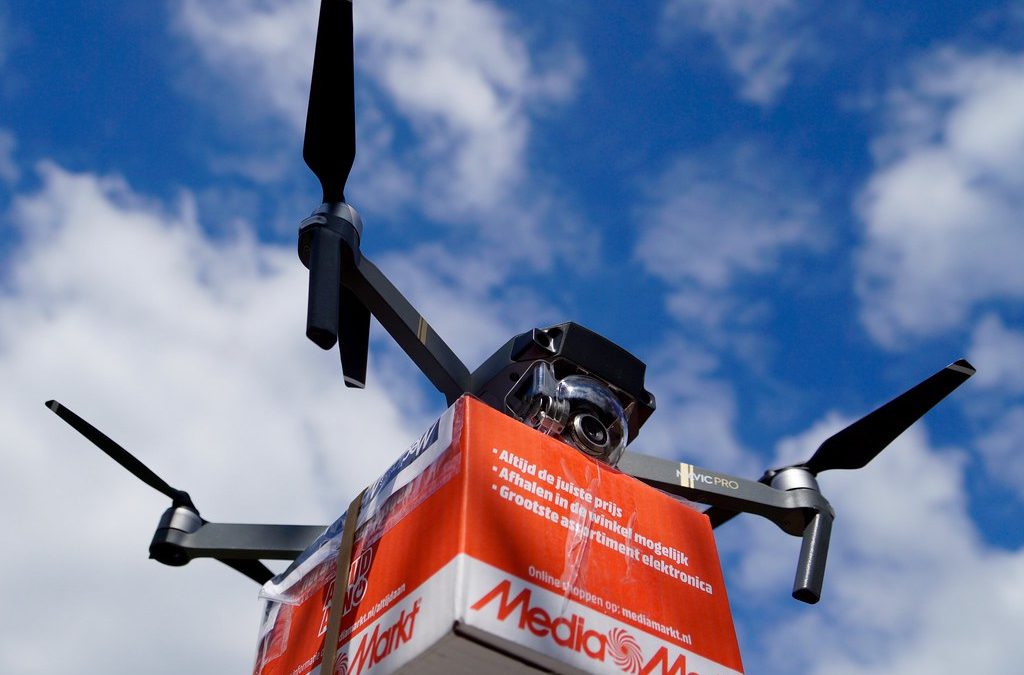
New has come out this week that funding of up to £300 million is being made available to develop a range of new technologies, including flying taxis and freight-carrying drones.

The funding will be made up with £125m being provided by the Government, with the remaining £175m being supported by industry co-investment.

Further Investments in Greener Forms of Transport

In addition to this, news also emerged that five new transport research networks will receive a £5m cash injection. This is to be put towards developing cleaner forms of fuel as well as other tech innovations to help reduce emissions and improve air quality.

The new transport research networks will be led by: the University of Birmingham, the University of Leeds, the University of Durham, Cardiff University and University College London.

Prime Minister Boris Johnson said:

“From our shopping choices to planning our holidays, we rightly want to make decisions that protect the planet.

“This £300m investment will help speed up the development of greener flights, and new ways of delivering the goods we order online.

“The UK is already recognised around the world as a centre for green tech. Now we will lengthen our lead, supporting our industry and our citizens to reduce their carbon footprint.”

News of financial support for drones in the UK comes after UPS applied for certification to begin drone deliveries in America. The company intends to use drones for commercial purposes, and await a response from the U.S. Federal Aviation Administration (FAA).

There are Endless Possibilities For Future Transport

Business secretary Andrea Leadsom says that the possibilities for new ways to transport goods and services – or to get from A to B – are “endless”.

She continued:

“This investment will help make the most of the exceptional talent and expertise we have in these industries, and ensure the UK leads the way internationally in designing and developing technology, from electric taxis to drones delivering parcels.”

The Future of Flight Challenge is delivered by UK Research and Innovation. Industry will initially focus on smaller aircraft and drones to ensure the suitability of the new technologies before developing them for larger passenger aircraft.

Transport secretary Grant Shapps said:

“New technologies like electric and autonomous aircraft can help us tackle climate change, making journeys greener and working better for passengers.

“This funding will support the extraordinary talents of UK industry and academia, and demonstrate our country’s position as a world-leading transport innovator.”

The additional £5 million of funding has been awarded by the Engineering and Physical Sciences Research Council (EPSRC).

Comments

How will these new technologies affect your business? Are you worried by them, or looking to embrace them? and are there any advancements you would like to see for your business. Leave us your comments below.

Bone Of Contention – Parking Tickets For Parking in Loading Bays

Bone Of Contention – Parking Tickets For Parking in Loading Bays

Companies hit with £1.7m of fines for parking in Loading Bays.

According to research by Volkswagen Commercial Vehicles, UK businesses have been issued with £1.7 million worth of fines in the last three years for vans incorrectly parking or stopping in a loading bay.

The figures show that Local Councils have issued an average of 13,000 parking fines a year since 2015. These figures have been rising by a 10% year-on-year increase – perhaps indicating how the rules around loading bays are actually becoming increasingly unclear for van drivers.

As if to further demonstrate the confusion surrounding parking in loading bays, the research also showed that nearly a quarter (23%) of appeals against Penalty Charge Notices (PCNs) for incorrect use of a loading bay were successful – so even the ticket issuers don’t seem sure!

What are the rules about stopping in a loading bay?

Legally, van drivers are allowed to stop at a loading bay to drop off or collect goods. The new research reveals though that still thousands of drivers don’t seem to fully understand the rules.

In terms of when can you use a loading bay, the majority of loading bays can be used to collect pre-ordered goods or unload goods that require a vehicle to transport them. If a vehicle is left unattended, it needs to be clear (through the use of hazards for example) that goods are being loaded and unloaded.

They can’t be used by drivers however for;

  • without loading or unloading or to use it to wait for parking
  • dependent on the time restrictions within each loading bay (and these vary from council to council).
  • for collecting or dropping off passengers.

According to the research, Glasgow, Manchester and Haringey councils have issued the highest number of loading bay PCNs over the past three years. Van drivers working in those areas need to take most care when making deliveries or stopping on red routes.

How to avoid getting a PCN for parking in a loading bay.

As part of its “Working With You” brand promise, Volkswagen Commercial Vehicles advises drivers to make use of various parking apps on smartphones (obviously making sure you don’t get pulled over for using your smartphone whilst driving!)

The brand additionally offers Park Assist to ensure drivers can make the most of the spaces available and stay within the designated loading bay lines to avoid fines.

Sarah Cox, head of marketing at Volkswagen Commercial Vehicles, commented:

“As this research reveals, PCNs are costing businesses thousands of pounds a year when, in fact, they can be avoided completely if you understand the rules correctly. Loading bays are an essential part of the red route network as they allow businesses to access central locations to make and receive important deliveries. As the rules change between councils, it is crucial that you check before you park.”

Leave your comments

Have you – or you fleet – received PCN’s for parking in Loading Bays. Have you had yours overturned on appeal? Could there be more signs to make the restrictions clearer? Have your say in the comments below.

New – Clean-Air Zone Friendly – Mitsubishi L200 Pick-Up On Sale

New – Clean-Air Zone Friendly – Mitsubishi L200 Pick-Up On Sale

Following on from our recent article about the Greater Manchester Clean-Aid zone – more and more popular vehicles are getting the necessary upgrades. The latest is the ever-popular Mitsubishi L200 pick-up truck which has not only been revised to offer increased safety equipment but also comes with a new Euro 6d diesel engine – compliant with the new clean-air zones.  

What are the main changes with the L200?

As well as the new Euro 6d-compliant, the new L200 comes with a new 2.3-litre turbo diesel engine and a new six-speed automatic gearbox, while larger brakes all-round are fitted to the majority of the range.

Priced from £21,515 for the entry-level 4Life Club Cab variant, the L200 Series 6 also offers an increased payload of 1,080kg (up from 1,045kg-1,060kg) and gross train weight of 6,155kg, as well as an upgraded four-wheel drive system which incorporates a new ‘off road mode’ and hill descent control system.

What else is included in the new Mitsubishi L200?

  • Blind spot warning system with lane change assist function
  • Rear cross traffic alert
  • Forward collision mitigation
  • Lane departure warning
  • Hill start assist
  • Emergency stop signal
  • Trailer stability assist.

Styling changes include a new front-end, a 40mm raised bonnet for easier manoeuvring, LED headlamps and LED driving lights on the majority of the range, and squared off wheel arches.

Interior updates include revised seating with improved bolstering, new instrumentation, including a full-colour LCD display, and a chunkier steering wheel.

If you would like to find out more about the different finance deals available on the new Mitsubishi L200 Pickup then feel free to contact us – or give us a call on 01543 229722.

New Aston Martin “Volante Vision” Aims to Bring Luxury Personal Air Mobility

New Aston Martin “Volante Vision” Aims to Bring Luxury Personal Air Mobility

Nearly all the old Sci-fi movies saw flying cars as an absolute shoe-in by now. Despite this, reality has always to seemed to ensure that flying cars cannot be made remotely practical.

Recently the new Aston Martin “Volante Vision” concept emerged – which is actually a light aircraft rather than a “flying car” – and despite some pretty nifty realistic looking images – it is still hard to see past it being nothing more than something for James Bond movie – or a one-off play-thing for some bored multi-multi-Billionaire rather than “the future of personal transport”.

How realistic is it?

But… Aston Martin are taking it seriously. They have worked with Cranfield University, Cranfield Aerospace Solutions and Rolls-Royce plc (the air engine company, not the car-making division) to look at a way of making this the future of “luxury personal air mobility”.

It is a concept designed for every-day use. For urban areas it features vertical take-off and landing (VTOL) capabilities,similar to a Hawker Harrier “jump” jet – technology that has actually been around since the 1960’s.

In true Aston Martin fashion – it’s green too, albeit in the sense that it is conceived with hybrid power, combining an internal combustion engine and an electric motor, for inter-city rather than inter-continental travel.

Will It Take Off? (Pardon The Pun!)

This isn’t the first concept like this – and it won’t be the last. Getting the technology right so that it is practical (and affordable) are the main obstacles to overcome. However – you think about any piece of technology and the same could be said of those – from personal computers and video players to the Electric Car – and we’re still only part of the way there with that with what can be achieved!

So in our opinion, we think it’s inevitable something like the Aston Martin Volante Vision will become a reality – and possibly for the mainstream. With the names getting involved in this project, you would also have to say it is probably only a couple of decades away too. 

Do you think this is the future – or is it just a fantasy pipeline best left to James Bond movies? Leave your comments below.